School Nutrition Audit in Khmelnytskyi Region: Caloric Discrepancies and Sanitary Issues Found
The State Food and Consumer Service inspected 465 educational institutions, identifying mismatches in food energy value and deficiencies in kitchen equipment.
 🎓Education
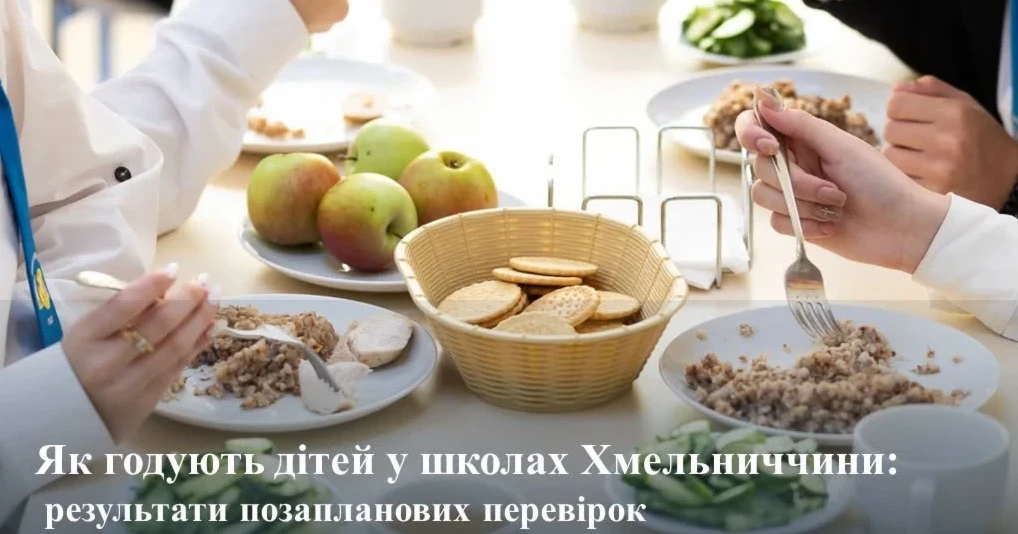
Photo: slavuta.city
Key points
- 465 educational institutions were inspected across the Khmelnytskyi region.
- 50% of tested meal samples failed to meet energy value requirements.
- 276 school administrators received official orders to fix sanitary and nutritional violations.
A large-scale series of unscheduled inspections has concluded in educational institutions across the Khmelnytskyi region, focusing on the quality and safety of children's nutrition. Experts from the Main Department of the State Service of Ukraine for Food Safety and Consumer Protection visited 465 facilities to assess compliance with sanitary regulations and the alignment of actual menus with established state standards. This audit is part of the ongoing national reform of school meals in Ukraine.
Laboratory Findings and Food Safety
During the inspections, significant emphasis was placed on laboratory analysis. Experts collected dozens of samples of drinking water and prepared meals. According to official reports, all 20 water samples tested met safety standards. Another positive outcome was the absence of dangerous microorganisms or infectious pathogens in 85 samples of ready-to-eat food. Furthermore, 19 tests confirmed that the food undergoes proper thermal processing before being served to students.
However, despite the general bacteriological safety, inspectors recorded substantial deviations in other areas. Specifically, in 22 out of 43 samples of prepared dishes, the actual energy value did not match the declared figures. This indicates that the caloric content of school lunches often differs from what is prescribed in the approved menus, potentially affecting the nutritional balance of students' diets.
Technical Condition and Administrative Actions
Beyond food quality, specialists identified issues with hygiene and kitchen equipment. In 26 out of 105 swabs taken from work surfaces and kitchen utensils, sanitary requirement violations were documented. The inspection also highlighted the poor condition of facilities in some institutions, as well as a shortage of modern refrigeration equipment and necessary kitchen appliances.
Typical violations included improper documentation and discrepancies between the actual food assortment and approved norms. Based on the results of these measures, the heads of 276 educational institutions in the region were issued mandatory orders to rectify the identified violations. School administrations are required to fix these deficiencies within specified timeframes to ensure that children receive not only safe but also nutritionally complete meals.
Source slavuta.city — slavuta.city/articles/486490/derzhprodspozhivsluzhba-perevirila-harchuv… ↗
Read next
 👥Society
Consistent sleep schedule is more important than duration: new insights on heart health
American scientists have found that irregular sleep and wake times significantly increase the risk of cardiovascular disease.
 🚨Events
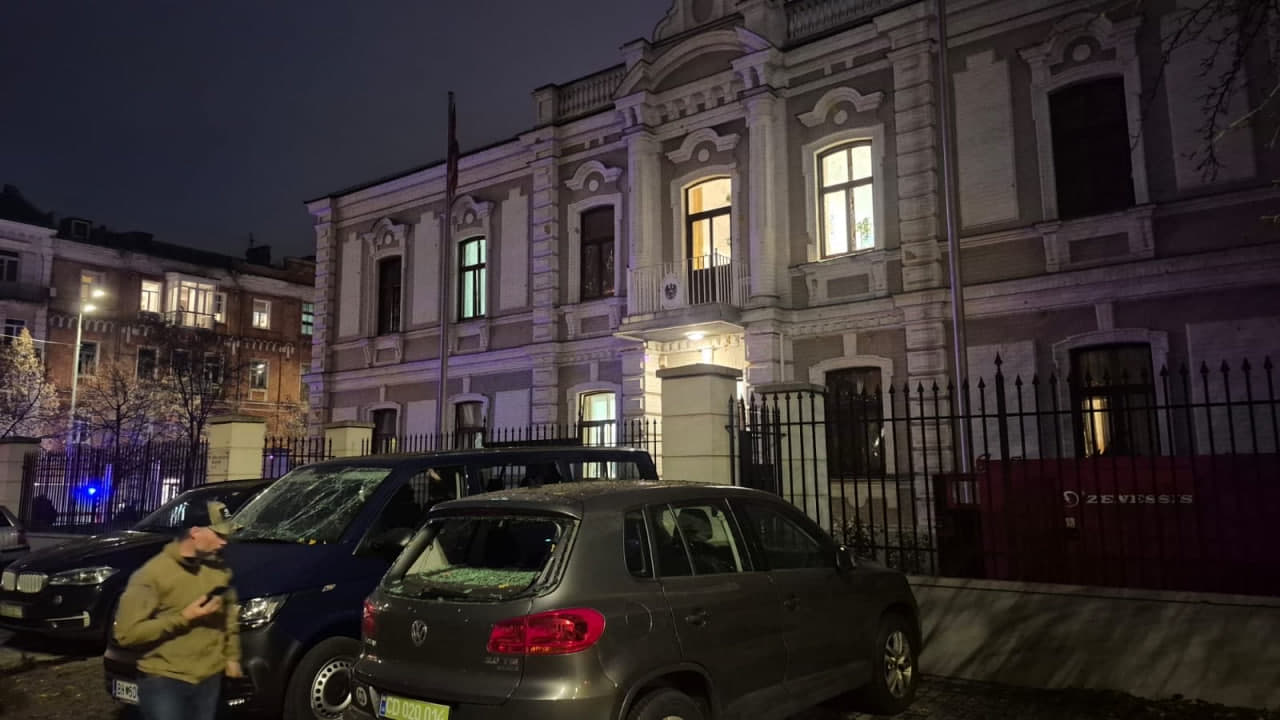
Russian attack on Kyiv damages Austrian embassy building
The Austrian Chancellor expressed outrage over the damage to a diplomatic mission following another shelling of Kyiv.
 ⚽Sport
The Secret to Longevity: Why Natural Activity Beats the Gym
Researcher Dan Buettner found that residents of 'Blue Zones' reach advanced age through daily movement rather than intensive workouts.
 🇺🇦Ukraine
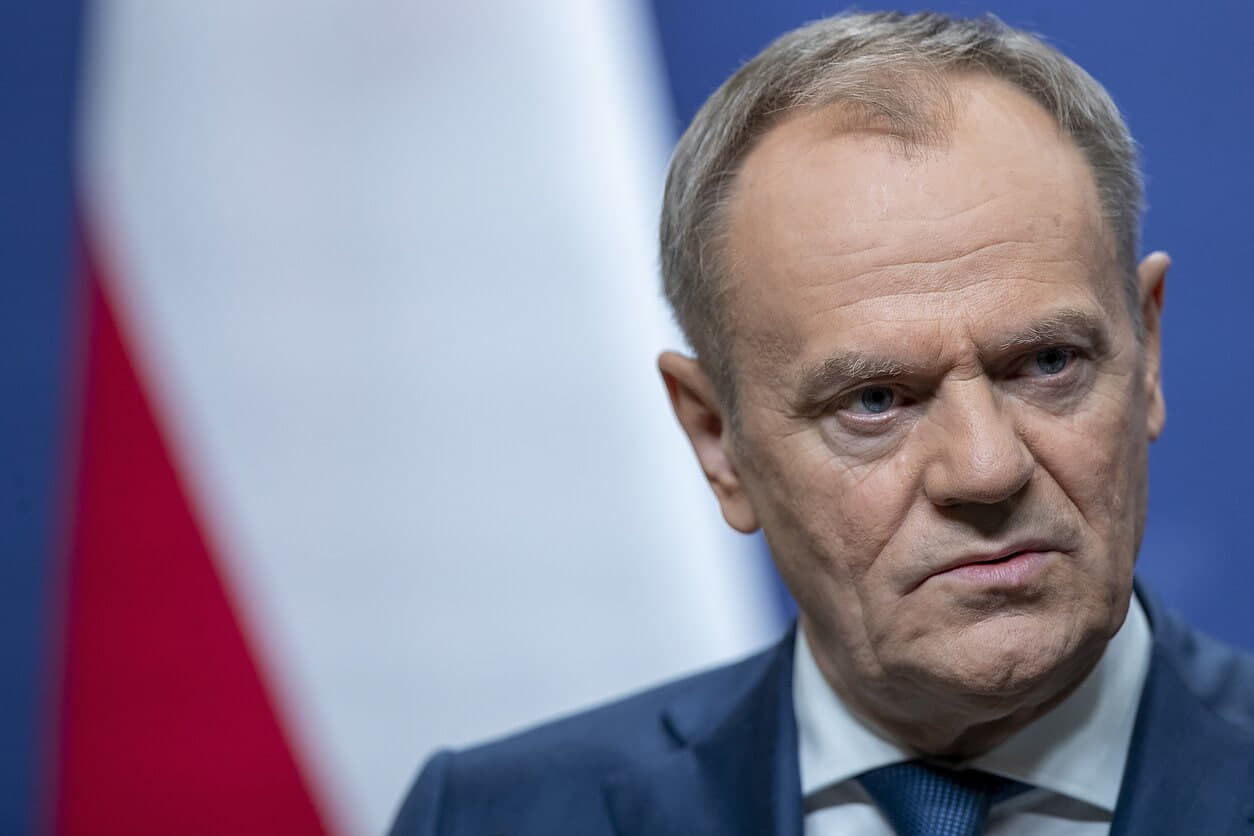
Donald Tusk comments on dialogue with Donald Trump regarding negotiations with Russia
The Polish Prime Minister shared details of the leaders' conversation with the US President, focusing on Washington's contacts with Moscow and Beijing.
 🏛️Politics
European countries to join peace talks with Russia
President Volodymyr Zelenskyy announced that European nations will participate in the upcoming peace negotiation format alongside Ukraine and the US.
 🏛️Politics
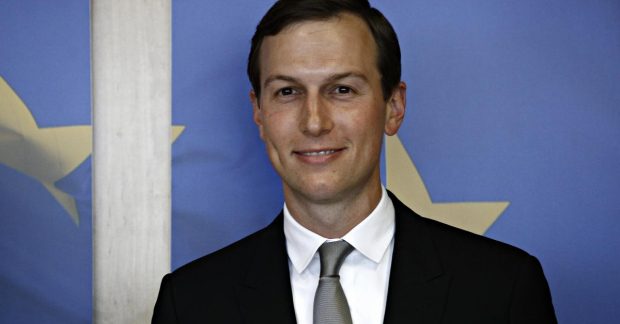
US Discusses NATO-Style Security Model for Ukraine
Special envoy Jared Kushner stated that Russia is considering security guarantees for Ukraine based on principles similar to NATO's Article 5.