NATO Rejects Russia's Demand to Return to 1997 Borders: Mark Rutte's Stance
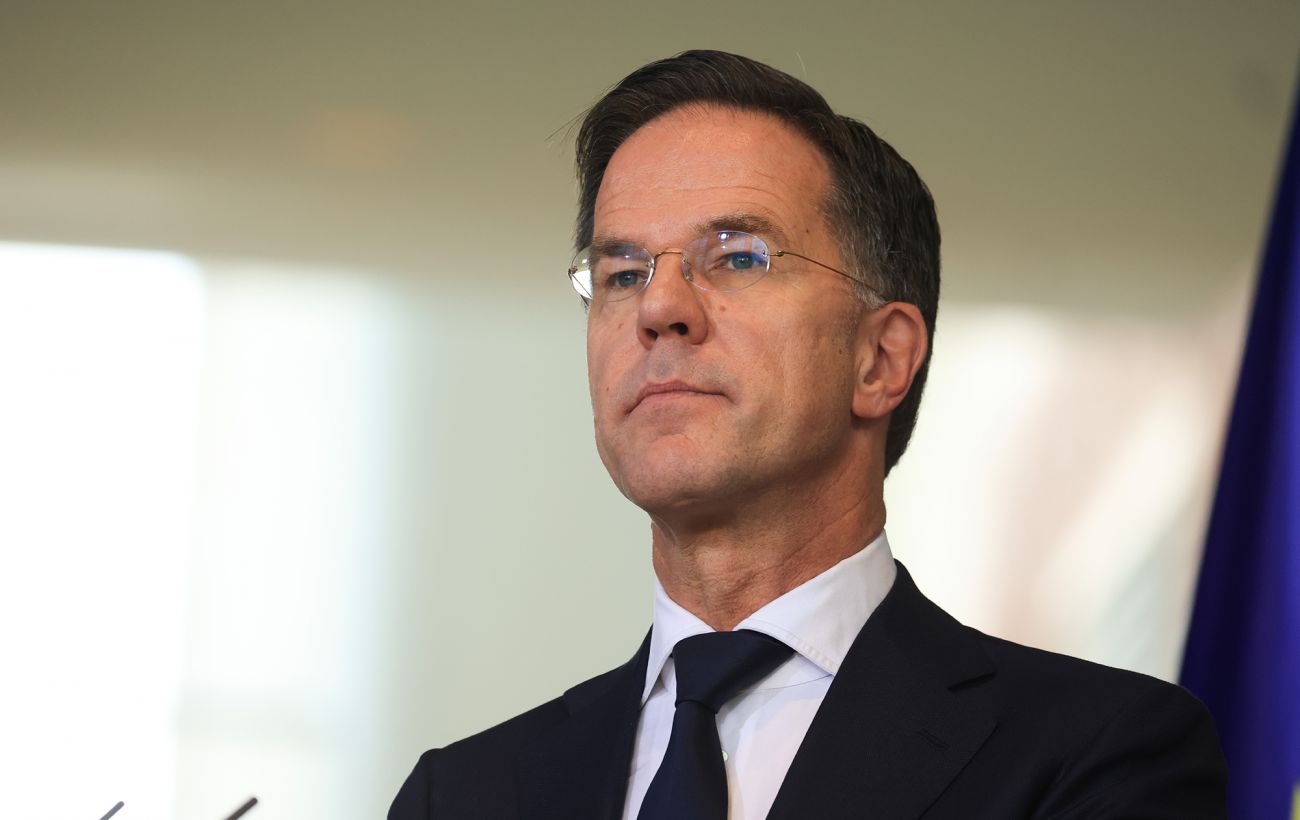
NATO Secretary General Mark Rutte has dismissed the Kremlin's demands to roll back the alliance's presence to 1997 levels as 'unacceptable'.
 🧠AI Analysis
Photo: RBC-Ukraine
Key points
- Mark Rutte officially rejected Russia's demand to roll back NATO to 1997 borders.
- NATO allies are unanimous in their refusal to consider the Kremlin's security proposals.
- An investigation into the dangerous incident in Poland is ongoing.
NATO Secretary General Mark Rutte has issued a firm response to the Russian Federation's proposals regarding the restructuring of European security. The Kremlin's demand involves returning the Alliance to its pre-1997 status. This proposal surfaced in the context of potential peace negotiations to end the war in Ukraine, but it has been met with total rejection from NATO leadership.
The Alliance's Position and Security Framework
According to Mark Rutte, Russia's proposals, which essentially call for NATO to roll back decades of expansion, are "unacceptable." The Secretary General emphasized that there is complete unanimity within the organization on this matter: no ally considers this a viable or good idea. This stance reaffirms the bloc's commitment to protecting all its members, regardless of when they joined the alliance.
The context of this statement follows reports in Western media, such as The New York Times, regarding discussions in Abu Dhabi. During these talks, Moscow reportedly demanded that NATO withdraw its forces to 1997 positions as a condition for a peace settlement. In practice, this would mean stripping security guarantees from many Central and Eastern European nations.
Incidents and Political Assessment
Rutte also addressed a recent incident in Poland, describing it as "dangerous." While he identified Russia as the source of the threat, he urged caution, stating that official conclusions regarding whether the act was intentional must wait for the results of investigations by Polish authorities and NATO's joint analysis systems.
Meanwhile, in the United States, political figures are expressing skepticism about the possibility of fruitful dialogue with the Kremlin. Republican Senator Tom Cotton noted that Russia's demands for a return to 1997 borders prove that the Russian dictator has no real intention of negotiating for peace. According to Cotton, such demands render further negotiations pointless.
Source RBC-Ukraine — rbc.ua/ukr/news/ryutte-vidreaguvav-ideyu-rosiyi-shchodo-povernennya… ↗
Read next
 🏛️Politics
SAP Prosecutor Praises NABU Media Team Amid Criticism Over Investigation Quality
Rostyslav Batig highlighted the professionalism of NABU's video editors when asked about the agency's reliance on media campaigns instead of strong evidence.
 🇺🇦Ukraine
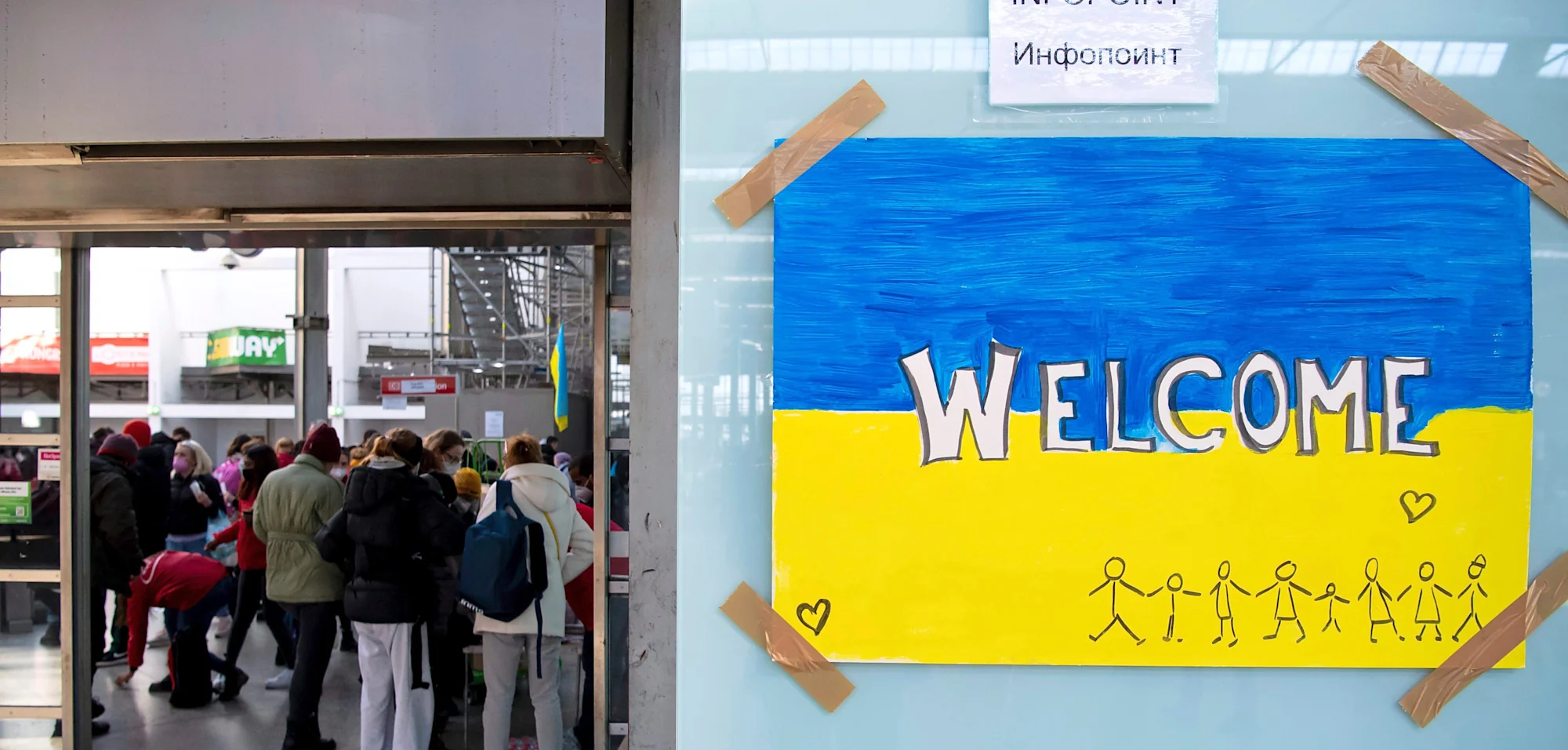
Munich to Convert Former BMW Offices into Housing for Ukrainian Refugees
Munich authorities are repurposing former BMW administrative buildings to house up to 600 people, primarily refugees from Ukraine.
 ⚽Sport
ATP Finals Review: Carlos Alcaraz Dominates and Young Talents Rise
Spanish tennis player Carlos Alcaraz claimed the ATP Finals title undefeated, reinforcing his status as a premier leader in men's tennis.
 🛡️Security
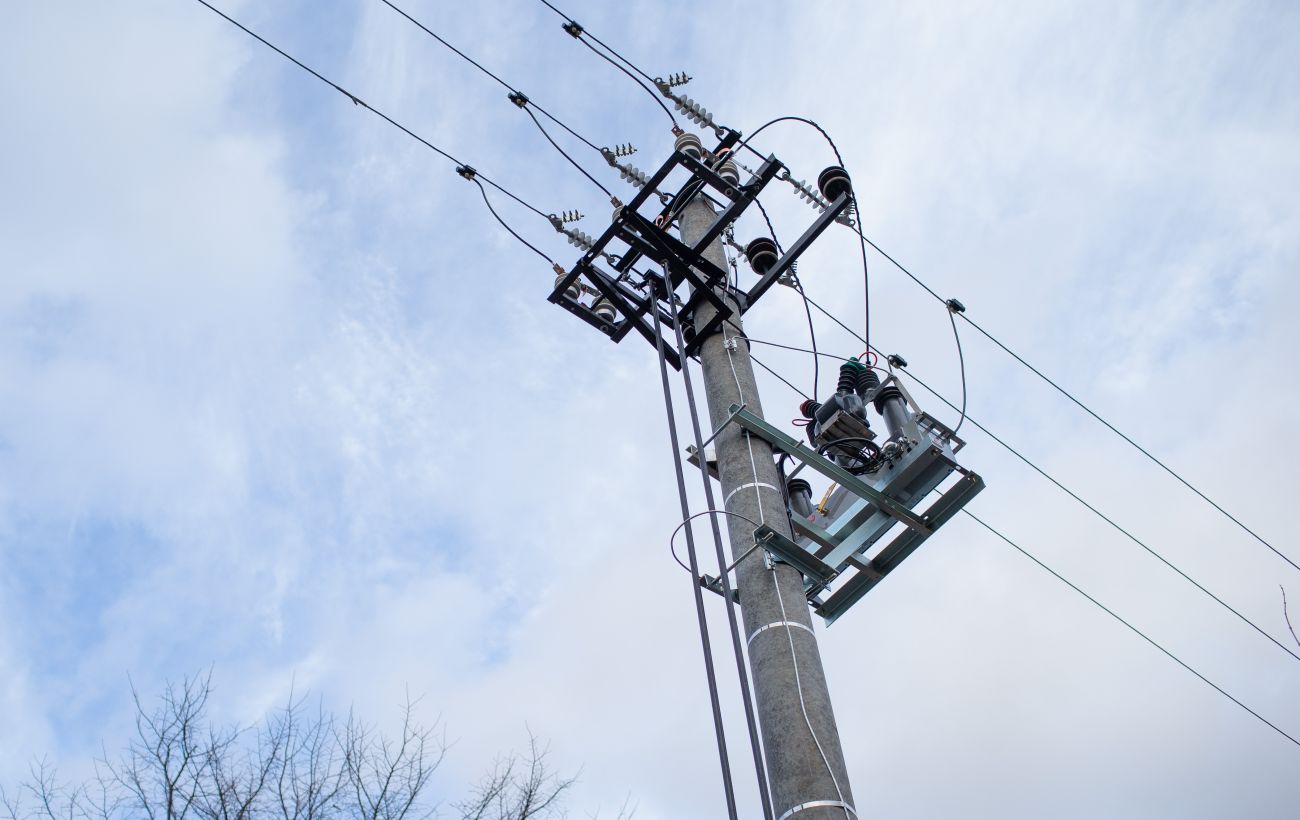
DTEK energy workers restored power to 3.5 million families in one week
Over the past week, DTEK energy crews have repaired critical infrastructure damaged by attacks, restoring electricity to millions of households across several Ukrainian r…
 🛡️Security
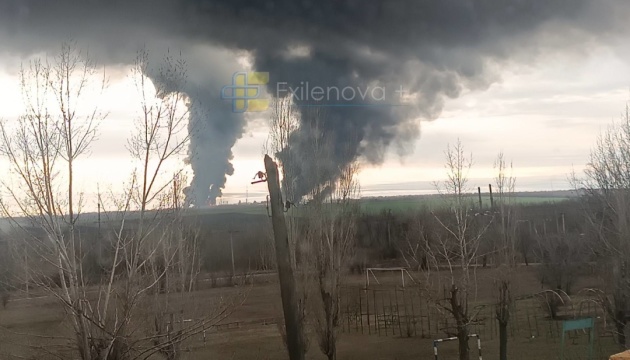
Ukrainian Defense Forces strike oil refinery in Rostov region
Ukrainian forces attacked the Novoshakhtinsk oil refinery, causing a fire and damaging critical processing equipment.
 🛡️Security
New Geography of Naval Warfare: Incidents in Libya and the Gulf of Finland Expose Russian Logistics Vulnerabilities
An explosion on a Russian vessel in the Libyan port of Benghazi and a fire aboard the cargo ship Sparta II highlight global risks for Moscow's maritime routes.